Etymologie, Etimología, Étymologie, Etimologia, Etymology, (griech.) etymología, (lat.) etymologia, (esper.) etimologio
UK Vereinigtes Königreich Großbritannien und Nordirland, Reino Unido de Gran Bretaña e Irlanda del Norte, Royaume-Uni de Grande-Bretagne et d'Irlande du Nord, Regno Unito di Gran Bretagna e Irlanda del Nord, United Kingdom of Great Britain and Northern Ireland, (esper.) Britujo
Frau, Señora, Femme, Donna, Woman, (esper.) feminoj
A
B
"§"
blue stocking (W3)
siehe auch: "Bluestocking"
(E?)(L?) http://www.oedilf.com/db/Lim.php?Word=blue stocking
Limericks on blue stocking
(E1)(L1) http://books.google.com/ngrams/graph?corpus=0&content=blue stocking
Abfrage im Google-Corpus mit 15Mio. eingescannter Bücher von 1500 bis heute.
Engl. "blue stocking" taucht in der Literatur um das Jahr 1790 auf.
Erstellt: 2014-04
"§"
blue-stocking (W3)
siehe auch: "Bluestocking"
(E2)(L2) http://www.blueprints.de/wortschatz/
(von engl. "blue-stocking"); "Blaustrumpf" ist eine Spottbezeichnung für gelehrte aber unweibliche Frauen.
Es geht zurück auf eine Gesellschaft in London, die seit 1750 bei Lady Montagu dem Kartenspiel eine geistvolle Unterhaltung vorzog. Man trug dort mitunter blaue Wollstrümpfe statt der üblichen schwarzen Seidenstrümpfe (the blue-stocking society).
(© blueprints Team)
(E?)(L?) http://www.etymologiebank.nl/zoek
blue-stocking
(E?)(L?) http://www.oedilf.com/db/Lim.php?Word=blue-stocking
Limericks on blue-stocking
(E1)(L1) http://books.google.com/ngrams/graph?corpus=0&content=blue-stocking
Abfrage im Google-Corpus mit 15Mio. eingescannter Bücher von 1500 bis heute.
Engl. "blue-stocking" taucht in der Literatur nicht signifikant auf.
Erstellt: 2014-04
"§"
Bluestocking (W3)
Bluestocking (W3)
Die "Bluestockings" waren eine Gruppe Londoner Schöngeister (ca. 1750) um Elizabeth Vesey (1715-1791) und Elizabeth Montagu (1720-1800). In deren Salons trafen sich Frauen und Männer zur gehobenen Konversation. Als Teilnehmer fanden sich auch Literaten und Wissenschaftler ein. Die Bezeichnung "Bluestockings" ("Blue Stocking Society") verdankt die Gruppe dem Botaniker Benjamin Stillingfleet. Dieser wollte einer Einladung nicht nachkommen, weil er keine passende Kleidung hatte. Elizabeth Vesey wollte das nicht akzeptieren und schlug ihm vor, einfach in den Wollstrümpfen, den engl. "bluestockings" zu kommen. Auch die Frauen erschienen schließlich in blauen Wollstrümpfen statt der üblichen schwarzseidenen Strümpfe. Dieses Ereignis brachte der Gruppe den Namen ein, der später auf gelehrt wirkende Frauen übertragen wurde. In Deutschland findet man die Lehnübersetzung "Blaustrumpf" im 19. Jh. als abwertende Bezeichnung für emanzipierte Frauen.
Zunächst war engl. "Bluestocking" also die Bezeichnung für preiswerte blaue Männersocken - im Gegensatz zu weißen Seidensocken - die von Männern Mitte der 1700er Jahre getragen wurden. Halb zufällig halb als gezielte Provokation wurden diese Socken von intellektuellen Frauen übernommen.
(E?)(L?) https://www.bartleby.com/221/index.html
XV. The Bluestockings
By MRS. H. G. ALDIS
- 1. The term “Bluestocking”
- 2. Conversation parties; Mrs. Vesey
- 3. Mrs. Montagu
- 4. Her share in Lord Lyttelton’s Dialogues of the Dead
- 5. Her Essay on Shakespeare; Mrs. Montagu and Voltaire
- 6. Mrs. Elizabeth Carter
- 7. Her Translation of Epictetus
- 8. Hannah More
- 9. Her friendship with Horace Walpole
- 10. Mrs. Chapone
- BIBLIOGRAPHY
(E?)(L?) http://bluestockings.com/
About Us
Bluestockings carries over 6000 titles on topics such as feminism, queer and gender studies, global capitalism, police and prisons, and black studies. You can also find some good ‘ole smutty fiction. We also carry magazines, zines, journals, alternative menstrual products and other oddly hard-to-find good things.
We host readings, workshops, performances, discussions and films almost every night. Please see our events calendar for details on upcoming events, and when visiting the store, take a look at our community bulletin board to learn about other events happening around the city. Also check out our Mission and Safer Space Policy, which provide guidelines to help Bluestockings be a supportive environment for all who participate.
Our cafe offers delightful organic, vegan, and fair trade goodness. We’ve got darn good coffee brimming with zapatismo.
(E?)(L?) http://www.etymonline.com/index.php?search=bluestocking
bluestocking
(E?)(L?) http://www.oedilf.com/db/Lim.php?Word=bluestocking
Limericks on bluestocking
(E2)(L1) https://www.dictionary.com/browse/bluestocking
bluestocking
(E?)(L?) http://wordcraft.infopop.cc/eponyms.htm
(E1)(L1) http://www.wordsmith.org/awad/archives/0898
bluestocking
(E1)(L1) https://www.worldwidewords.org/topicalwords/tw-blu1.htm
...
Admiral Edward Boscawen, who was known to his friends as “Old Dreadnought” or “Wry-necked Dick”, was the husband of one of the more enthusiastic attendees. He was very rude about what he saw as his wife’s literary pretensions and is said to have derisively described the sessions as being meetings of the "Blue-Stocking Society". So those who attended were sometimes called "Blue Stockingers", later abbreviated to "blue stockings". (Another name was the French form "Bas Bleu", which Hanna More, another member, used in her poem, The Bas Bleu, or Conversation, which gives a lot of information about the group.)
...
(E1)(L1) http://books.google.com/ngrams/graph?corpus=0&content=Bluestocking
Abfrage im Google-Corpus mit 15Mio. eingescannter Bücher von 1500 bis heute.
Engl. "Bluestocking" taucht in der Literatur um das Jahr 1800 auf.
Erstellt: 2014-04
C
D
E
F
G
"§"
girl (W3)
Das engl. "girl" wurde erst um etwa 1300 weiblich. Davor bezeichnete es allgemein ein Kind. Man vermutet, dass es einen Zusammenhang zwischen dem altengl. "gyrle" = "Kind" zu einem altengl. "gierela" = "Sackartiger Umhang" gibt. Dieses Kleidungsstück wurde gleichermaßen von kleine Jungen und Mädchen getragen.
Das engl. "girl" könnte aber auch auf die Wurzel ide. "*ker-" = "wachsen" zurück gehen und wörtlich "die Heranwachsende" bedeuten.
(E?)(L?) https://www.cnrtl.fr/etymologie/girl
(E?)(L?) https://www.cnrtl.fr/definition/girl
(E?)(L?) http://www.etymonline.com/index.php?term=girl
(E?)(L?) http://www.etymonline.com/index.php?search=girl
(E?)(L?) http://www1.ku-eichstaett.de/SLF/EngluVglSW/bammesberger1011.pdf
Abstract
The article revisits the etymological explanations of a number of English names for "young female person". The etymology of English "girl" has been dealt with repeatedly. It seems best to project the noun back to OE "gierela" = "garment". Even if the connection can be justified from the semantic point of view, the initial stop consonant of "girl" must be accounted for. The phonology of "girl" can be explained if we assume that the word was taken over from what may be called a "barn-dialect" in Old English.
(E1)(L1) https://www.worldwidewords.org/qa/qa-gir1.htm
Girl and youth
"§"
gogmsite.net
Grand Ladies Site
(E?)(L?) http://www.gogmsite.net/
This Site is about fashion history as shown in images of royal and aristocratic women from the Renaissance (ca. 1500) to the Belle Époque that came to abrupt end with the outbreak of World War I in 1914.
...
(E?)(L?) http://www.gogmsite.net/new-content/
- ca. 1555 Caterina de' Medici by ? (Galleria degli Uffizi - Firenze, Toscana, Italy)
- Jemima, née Carew, 1st Countess of Sandwich (1625-1674) by the studio of Sir Peter Lely (Mount Edgcumbe House - Torpoint, Cornwall, UK)
- 1673 (probable date) Teresa Pamphilj Cybo by Jacob Ferdinand Voet (auctioned by Sotheby's)
- ca. 1680 (silk) Brocaded formal dress, probably Italian (location ?)
- 1690 to 1692 Dona Nicolasa Manrique de Mendoza y Velasco (1672-1710) by Claudio Coello (Instituto Valencia de Don Juan - Madrid, Spain)
- Elizabeth Knight (d.1731 or 1737) by Jeremiah Davison (Chawton House Library - Chawton, Hampshire, UK)
- ca. 1730 Rhoda Apreece, Mrs Francis Blake Delaval attributed to Enoch Seeman the younger (Seaton Delaval - Seaton Sluice, Northumberland, UK)
- 1737 Anne Fountayne in the style of John Vanderbank (Temple Newsam House, Leeds Museums and Galleries - Leeds, West Yorkshire, UK)
- Elizabeth Ann Spencer, Wife of the 5th Duke of Hamilton by William Hoare (Brodick Castle - Brodick, North Ayrshire, UK)
- Catherine Pelham-Clinton (1727-1760), Countess of Lincoln by William Hoare (University of Nottingham - Nottingham, Nottinghamshire, UK)
- 1762 (before) Grand Duchess Catherine Alexeyevna (1729-1796) by ? (Muzeum Narodowe w Warszawie - Warsawa, Poland)
- 1770-1775 (between) Paula Melzi d'Eril, 9ª Condesa de Eril, G.E., 3ª Marquesa de Lazán, 4ª Marquesa de Cañizar y 10ª Marquesa de Navarrés (1751 - 1804) by Francisco Bayeu (Museo de Huesca - Huesca, Aragon, Spain)
- 1777-1792 Henrietta Boyle (1755/1756-1793), Mrs John O’Neill (?) attributed to William Hoare (Stourhead - Stourton, Warminster, Wiltshire, UK)
- 1777-1792 Honourable Henrietta Boyle (1755/1756-1793), Mrs John O’Neill (?) attributed to William Hoare (Stourhead - Stourton, Warminster, Wiltshire, UK)
- 1785 Princess Cecilia Mahony Giustiniani (1740-1789) by Pompeo Batoni (Scottish National Gallery - Edinburgh, UK)
- 1788 Karoline Gräfin von Hessenstein geb. von Schlotheim by Wilhelm Böttner (Gemäldegalerie Alte Meister, Schloss Wilhelmshöhe - Kassel, Hessen, Germany)
- ca. 1817 Caroline of Baden, Queen of Bavaria by Johann Christian von Mannlich (auctioned by Tomic-Hampel)
- Margarita de Austria, Infanta de España y emperatriz de Austria by ? (location ?)
- 1652 (after) Giulia Arese Borromeo (1636-1704) sposò Renato II Borromeo by ? (Palazzo Borromeo - Isola Bella sui Lago Maggiore, Streso, Piemonte, Italy)
- Marie Jeanne Baptiste of Savoy-Nemours by Giovanni Battista Curlando (Castello e Parco di Masino - Caravino, Piemonte, Italy)
- 1682 (after) María Josefa von Harrach, German noblewoman who was a menina (Lady-in-waiting) to Maria Anna of Austria, Queen of Spain by ? (Hradek Nechanic, Czech Republic)
- 1682 (after) Maria Josepha von Harrach by ? (location ?)
- 1682 (after) Josepha, Gräfin von Harrach zu Rohrau by ? (location ?)
- Spanish noble woman by ? (location ?)
- 1725 Rhoda Apreece (d.1759), Mrs Francis Blake Delaval by John Vanderbank (Seaton Delaval - Seaton Sluice, Northumberland, UK)
- Mrs. Elizabeth Ingram by Bartholomew Dandridge (Temple Newsam House, Leeds Museums and Galleries - Leeds, West Yorkshire, UK)
- The Honourable Mrs Plummer by the school of Thomas Hudson (Towner Gallery - Eastbourne, East Sussex, UK)
- 1732 Eva Friederike Charlotte, Gräfin von Einsiedel (1704-1758) by Louis de Silvestre (auctioned by Sotheby's)
- Eva Charlotte Friederike, Gräfin von Einsiedel (1704-1758), half-length, in a blue silk dress by Anton Graff (auctioned by ?)
- 1737 Honourable Mary Howard, Mrs George Venables-Vernon by John Vanderbank (Sudbury Hall - Sudbury, Derbyshire, UK)
- 1745 Alicia Maria Carpenter, Countess of Egremont by Arthur Devis (Fine Arts Museums of San Francisco, Palace of the Legion of Honor - San Francisco, California, USA)
- 1762 Honourable Alicia Maria Carpenter (1729-1794), Countess of Egremont, Later Countess Brühl by William Hoare (Petworth House - Petworth, West Sussex, UK)
- 1753 Arabella Swimmer, née Astley, later Lady Vincent of Stoke D'Abernon by Anton Raphael Mengs (location ?)
- Woman, possibly Elena d'Aosta detint
- 1887 Baronne du Mesnil de Saint-Front formerly Mme. Feu Prosper Crabbe by Alfred Stevens (auctioned by Bonhams)
- 1660s (late) Lady Penelope Spencer by Sir Peter Lely (Minneapolis Institute of Art - Minneapolis, Minnesota, USA)
- 1671 Margarita Teresa von Spanien mit Tochter Maria Antonia by Benjamin von Block (location ?)
- 1672 Kaiserin Claudia Felicitas, Tochter des Erzh. Ferdinand Karl von Habsburg Österreich by Carlo Dolci - Kunsthistoriches Museum - Wien, Austria)
- 1673 Archiduquesa Claudia Felicitas de Austria-Tirol, Emperatriz consorte del Sacro Santo Imperio Romano Germánico, Reina de Hungría y de Bohemia
- Doña Andrea Román de Aulestia y Cedreros y Gómez-Boquete y Monte Alegre by ? (Peruvian) (San Antonio Museum of Art - San Antonio, Texas, USA)
- ca. 1740 Anne Lee, Mrs George Venables-Vernon by Joseph van Aken (location ?)
- ca. 1744 Martha Harcourt (1715-1794), Lady Vernon by Enoch Seeman the Younger (Sudbury Hall - Sudbury, Ashbourne, Derbyshire, UK)
- 1748 Etheldred Payne (1720-1775), Lady Cust, and Her Son Brownlow Cust (1744-1807), Later Sir Brownlow Cust, 1st Baron Brownlow attributed to Thomas Hudson (Belton House - Grantham, Lincolnshire, UK)
- 1757 Miss Elizabeth Ingram (1733-1785, daughter of William Ingram of Wakefield) by Sir Joshua Reynolds (Walker Art Gallery - Liverpool, Lancashire, UK)
- ca. 1766 Lady Martha Whistler Webster after John Hoppner (Battle Abbey - Battle, East Sussex, UK)
- 1770/1778 Lady Frances Shirley (1705/1706-1778) by William Hoare (Chastleton House - Chastleton, near Moreton-in-Marsh, Oxfordshire, UK)
- 1772 Princess Louise of Denmark dressed for a Masquerade in Turkish dress by ? (location ?)
- 1889 Probably Maria Bianca Gallone, Princess Marsico Nuovo by Charles Hermans (Bruxelles 1839-1911) (Capodimonte Museum - Napoli, Campania, Italy)
- 1632 Amalia van Solms and Charlotte de La Trémoïlle as Diana and Ceres by Gerard van Honthorst (Paleis Het Loo - Apeldoorn, Holland)
- Anastasia Naryshkina, wearing fontange, with her daughters Alexandra and Tatiana by ? (location ?)
- 1740s Maria Theresa as Queen of Hungary by Workshop of Martin van Meytens the Younger (Muzeum Miejskie Suchej Beskidzkiej - Sucha Beskidzka, województwo malopolskie, Poland)
- Honourable Mrs. Laura Keppel (1734-1814), wife of Frederick Keppel (1729-1777), Bishop of Exeter by Thomas Hudson (Corpus Christi College, University of Cambridge - Cambridge, Cambridgeshire, UK)
- Lady Frances Seymour Conway (1751-1820), Countess of Lincoln by William Hoare (University of Nottingham - Nottingham, Nottinghamshire, UK)
- Gabrielle d'Estrées by Francois Quesnel the Elder (Musée Condé - Chantilly, Hauts-de-France, France)
- Ann Skory (d. before 1650), Mrs Chaloner Chute in the style of Sir Anthonis van Dyck (The Vyne - Basingstoke, Hampshire, UK)
- Catherine Okeover (d.1672), Lady Robert Shirley in the style of Sir Anthonis van Dyck (Sudbury Hall - Sudbury, Ashbourne, Derbyshire, UK)
- Anna Maria Carpegna Naro (1651-1731) half length, wearing a dress with fine lace and pink bows by Jacob Ferdinand Voet (auctioned by Sotheby's)
- Maria Mancini, bust-length, in a brown embroidered dress with lace trim and pink bows by follower of Jacob Ferdinand Voet (auctioned by Bonhams)
- Maria-Virginia Borghese-Chigi by Jacob-Ferdinand Voet (State Hermitage Museum - St. Petersburg, Russia)
- Kristina I by ? (location ?)
- La Reina de España, Doña María Luisa de Orleans by C. Miranda (location ?)
- 1629 Lady Catherine Howard, Countess of Salisbury by Daniel Mytens (location ?)
- Honourable Margaret Wotton (née Wharton, 1617 - 1658 or 1659), Lady Tufton by Sir Anthonis van Dyck (Blickling Hall - Blickling, Norwich, Norfolk)
- 1710 Duquesa Wilhelmine Amalie von Braunschweig-Lüneburg-Kalenberg, by ? (location ?)
- Henrietta Maria, Lady Ashburnham by Christian Friedrich Zincke (location ?)
- 1717 Henrietta Maria, Baroness Ashburnham by Michael Dahl (Walker Art Gallery - Liverpool, Lancashire, UK)
- 1775-1780 Marie Antoinette in court dress (Waddeson Manor - Aylesbury, Buckinghamshire, UK)
- 1778-1789 Recreation of Marie Antoinette dress by Atelier Caraco
- Countess Anna Ivanovna Chernysheva, née Pleshcheeva by Angelica Kauffmann (location ?)
- Lady Elizabeth Cecil (1619-1689), Countess of Devonshire by Sir Anthonis van Dyck (Hardwick Hall - Doe Lea, Chesterfield, Derbyshire, UK) From artuk.org
- Lady, traditionally identified as Anne Killigrew (1660-85) by Sir Peter Lely (Philip Mould - London, UK)
- ca. 1647/1649 Lady Anne Percy (1633-1654), Lady Stanhope; or Lady Isabella Sydney (d.1663), Viscountess Strangford by Sir Peter Lely (Petworth House - Petworth, West Sussex, UK)
- ca. 1655 Anne Percy by Sir Peter Lely (Petworth House - Petworth, West Sussex, UK)
- María Josefa Díaz de Morales y Cordoba by Juan de Alfaro (location ?)
- 1672-1675 (some time in between) Louise Renée de Penancoët de Kéroualle, Duchess of Portsmouth (1649-1734) by Henri Gascars (Philip Mould - London, UK)
- Madame de La Fayette, probably Marie Catherine de Suat, dame de Chavaniac by ? (location ?)
- 1767 Marie-Josèphe de Saxe by Jean-Baptiste Greuze, Jean-Martial Frédou, Maurice Quentin de La Tour, and Jean-Baptiste Greuze (Châteaux de Versailles et de Trianon - Versailles, Île-de-France, France)
- ca. 1770 Jane Pelham (later Cressett Pelham) (née Hardinge) (1740-1820) by Nathaniel Dance Holland (Philip Mould - London, UK)
- Jeanne-Louise-Henriette Campan, par Louis Leopold Boilly (location ?)
- Louise of Prussia by ? (location ?)
- 1819 Duchesse d'Angoulême by Antoine-Jean Gros (Châteaux de Versailles et de Trianon - Versailles, Île-de-France, France)
- ca. 1675 Doña Isabel Diaz de Morales Muñiz de Godoy y Aguayo by Juan de Alfaro y Gamez (Museo de Bellas Artes de Bilbao - Bilbao, Bilbao, Spain)
- Dame Gabrielle de Rochechouart-Mortemart, Marquise de Thianges by ? (location ?)
- 1765 Sophie Katharina von Klockner, Baroness von Brukenthal by ? (Muzeul National Brukenthal - Sibu, Transilvania, Romania)
- ca. 1770 Miniature of Catherine the Great as a young woman after Georg Christoph Grooth (Hillwood Estate, Museum & Gardens - Washington, DC, USA)
- Frances Willock (1759-1806) attributed to Ozias Humphrey (auctioned by Sotheby's)
- Miniature of Caroline Bonaparte by ? (location ?)
- 1621 (after) Eleonora Gonzaga (1598-1633) by Justus Sustermans (Zamek Królewski w Warszawie (ZKW)
- 1746 Lady Lloyd and her son Richard by Thomas Gainsborough (location ?)
- ca. 1747-1748 Mr. and Mrs. Carter by Thomas Gainsborough (location ?)
- 1818-1820 (some time between) Adelheid von Anhalt-Bernburg by Charles Guillaume Alexandre Bourgeois (Schlossmuseum Jever - Jever, Niedersachsen, Germany)
- ca. 1820 Adelheid von Anhalt-Bernburg, Grand Duchess of Oldenburg by Georg Friedrich Adolph Schöner (Royal Collection)
- ca. 1820 Présumé d’Adelheid von Anhalt-Bernburg, grande duchesse d’Oldenburg by ? (auctioned by Sotheby’s)
- ca. 1825 Prinzessin Ida von Anhalt-Bernburg-Schaumburg-Hoym, (1800-1820), Erbprinzessin zu Lübeck, Prinzessin zu Holstein-Oldenburg by ?
- Amalie Oldenburg, Queen of Greece by Joseph Karl Stieler in color (location ?)
- Queen Amalia of Greece wearing an Amalia dress by ? (location ?)
- 1867 King Otto and Queen Amalia of Greece by ? detint
- Maria Josefa de Espanha by Anton Raphael Mengs (location ?)
- Marie Antoinette by Joseph Hickel (Nationalmuseum - Stockholm, Sweden)
- María Antonieta en un traje de Rose Bertin by ?
- 1785 (in or before) Frédérique-Élisabeth de Wurtemberg, grande-duchesse d'Oldenbourg by Johann Friedrich August Tischbein (location ?)
- Queen Isabel II of Spain by ? (location ?)
- Isabel II by ? (location ?)
- 1885 Purificación Fontán, marquesa del Pazo de la Merced by Federico Madrazo y Kuntz (Museo de Salamanca - Salamanca, provincia Salamanca, Spain)
- 1906 Purificación Fontán, marquesa viuda del Pazo de la Merced by José Moreno Carbonero (Museo de Salamanca - Salamanca, provincia Salamanca, Spain)
- ca. 1911 Marquesa del Pazo by ? (Centro de Iniciativas para la Formación Agraria - As Neves, Galicia, Spain)
- 1919 Marquesa del Pazo by ? (Centro de Iniciativas para la Formación Agraria - As Neves, Galicia, Spain)
- Queen Elizabeth miniature
- ca. 1590 Elizabeth I (1533-1603) by ? (Magdalen College, University of Oxford - Oxford, Oxfordshire, UK)
- Principessa Maria Isabella Massimo Muti Papazzurri by Jacob Ferdinand Voet (auctioned by Christie's)
- Principessa Maria Isabella Massimo Muti Papazzurri Muti Papazzurri by Jacob Ferdinand Voet workshop
- La Marchesa Sacchetti, possibly Clelia Orsini de' Cavalieri, by Jacob Ferdinand Voet (Palazzo Chigi - Roma, Italy)
- 1764 Princess Galitzine by Louis-Michel van Loo (auctioned by Sotheby's)
- Dagmar photo pair
- Princess Mary wearing a swirl-patterned dress
- Mademoiselle de Chabot, in a black dress with a lace ruff and jewelled headdress by follower of François Clouet (auctioned by Alain R. Truong)
- Noblewoman with hound by ? (auctioned by Bukowski's)
- Queen Anne by John de Critz (location ?)
- 1619-1620 Princesa Anne Dagmar de Dinamarca y Noruega, Reina de Inglaterra, Escocia e Irlanda by ? (location ?)
- ca. 1618 Anne, Countess of Pembroke (Lady Anne Clifford) by William Larkin (National Portrait Gallery - London, UK)
- ca. 1620 Lady Anne Clifford (1590-1676), Countess of Dorset, Later Countess of Pembroke and Montgomery by ? (Nostell Priory - Nostell, West Yorkshire, UK)
- Marie Mancini, principessa Colonna by Jacob Ferdinand Voet (Musée du Petit-Palais - Paris, France)
- Unknown Noblewoman Jacob Ferdinand Voet (location ?)
- Unknown Ladies by Jacob Ferdinand Voet (location ?)
- Noblewoman by Nicolas de Largilliere (auctioned by Hampel)
- 1772 Henriette Caroline von Carlowitz, geb. von Rechenberg by Anton Graff (auctioned by Galerie Bassenge)
- ca. 1780 Françoise Jeanne Thérèse Hardyle, duchesse de Rurange by circle of Louise-Élisabeth Vigée-Lebrun or unknown (auctioned by Jean-Marc Delvaux)
- Princess Isabel Brasil
- Maria Pia
- ca. 1885 Daisy, Countess of Warwick
- "ca. 1906" Lady Ivy Muriel Chamberlain, née Dundas by Henry Walter ('H. Walter') Barnett (National Portrait Gallery - London, UK)
- Grand Duke Alexander and Grand Duchess Xenia of Russia
- Mourning dress worn by Sisi
- 1582-1584 infanta Caterina Miquela by Alonso Sánchez Coello (Museu Nacional d'Art de Catalunya - Barcelona, Catalunya, Spain)
- Lady traditionally identified as Frances Carr, Countess of Somerset (1590-1632) by follower of Marcus Gheeraerts the Younger (auctioned by Christie's)
- Dorothea Maria of Saxe-Gotha, Duchess of Saxe-Meiningen by ? (location ?)
- Mariana de Austria by circle of Diego Velázquez (Monasterio de San Lorenzo de El Escorial - San Lorenzo de El Escorial, Communidad de Madrid, Spain)
- Unknown Lady wearing a tontillo by ? (location ?)
- Reina de España Doña Mariana de Neoburgo by Jacques Courtilleau (location ?)
- 1696 Angélique de Hautefort, Marquise de Bonneval by Nicolas de Largillière by Nicolas de Largilliere (location ?)
- ca. 1706 Madame Jassaud et ses deux enfants by Nicolas de Largillière (Musée Boucher-de-Perthes - Abbeville, Hauts-de-France, France)
- Kaiserin Maria Luisa von Bourbon by ? (location ?)
- ca. 1800 Condesa de Castro Terrano, née María Josefa de Gálvez y Valenzuela (1776-1817) by Agustín Esteve (location ?)
- Margherita leaning head on hand
- ca. 1880 Isabella, Gräfin Potocka by Hans Makart (auctioned by Auktionshaus im Kinsky)
- ca. 1887 Sophie of Prussia by Alexander Bassano companion photo
- 1908 Carlota de Zavala y Guzmán, née Santamarca y Donato, condesa de Santamarca, duquesa de Nájera (consorte) by José Moreno Carbonero (Museo de Malaga - Malaga, Andalucia, Spain)
- 1606 Lucy Harrington, Countess of Bedford in a masquerade costume designed by Inigo Jones by John de Critz the Elder (private collection)
- 1606 Woman in Masque Costume as a Power of Juno, possibly Lucy Russell née Harrington, Countess of Bedford in the masque Hymenai (text by Ben Jonson and designs by Inigo Jones) by John de Critz (private collection)
- ca. 1607 Marchesa Maria Grimaldi and Her Dwarf by Peter Paul Rubens (Kingston Lacy - Wimborne Minster, Dorset, UK)
- Elena Pavlovna, née Württemberg by ? (location ?)
- Grand Princess Elena Pavlovna by ? (location ?)
- Princess Maud and Prince Carl
- Louise de Lorraine-Mercoeur, reine de France by ? (location ?)
- Cecily Baker (d. 1615), Countess of Dorset by ? (Knole - Sevenoaks, Kent, UK)
- Elisabeth de Bourbon by ? (location ?)
- Madame de Montespan attibuted to Joseph Werner (auctioned by Alain Truong)
- 1785 Antoinette Elisabeth d'Aguesseau, Comtesse Louis-Philippe de Segur (1756-1828) by Louise Élisabeth Vigée-Le Brun (Châteaux de Versailles et de Trianon - Versailles, Île-de-France, France)
- 1789 Antoinette Elisabeth Marie d'Aguesseau (1756-1828), épouse de Louis-Philippe comte de Ségur by Élisabeth Louise Vigée Le Brun (National Gallery of Art - Washington, DC, USA)
- 1787 Madame de Serres by Joseph Boze (location ?)
- 1787 Madame de Serre, née Marie Joseph Aurès by the Joseph Boze studio (auctioned)
- Young Infanta Maria Anne of Austria by Sir Peter Paul Rubens and workshop (private collection)
- 1630 Maria Anna d'Asburgo, infanta di Spagna e imperatrice consorte del Sacro Romano impero by Diego Rodríguez de Silva y Velázquez (Museo nacional del Prado - Madrid, Spain)
- 1635 María de Austria, reina de Hungría by Frans Luycks (Museo nacional del Prado - Madrid, Spain)
- D. Luísa de Gusmão by ? (Museu Nacional de Arte Antiga - Lisboa, Portugal)
- Infanta Maria Bárbara de Bragança future queen of Spain by ? (Museu Nacional de Arte Antiga - Lisboa, Portugal)
- ca. 1745 Woman, possibly of the Lloyd Family by Thomas Gainsborough (Kimbell Art Museum - Fort Worth, Texas, USA)
- 1765 Maria Louise of Bourbon-Parma by Giuseppe Baldrighi (auctioned by Sotheby's)
- 1788 Elisabeth-Philippe-Marie-Hélène de France by Adélaïde Labille-Guiard (Châteaux de Versailles et de Trianon - Versailles, Île-de-France, France)
- Called Archduchess Maria Theresa of Austria (1801-1855) ?, probably Luisa Maria Amalia di Borbone, granduchessa di Toscana by Vincenzo Giannini (Palazzo Pitti - Firenze, Toscana, Italy)
- 1902 Marquesa de Torre Hermosa, née May Mildred Hill Bignold, later Mrs Herbert Maddick by Lafayette Photographic Studios
- 1902 Coiffure of Marquesa de Torre Hermosa, née May Mildred Hill Bignold, later Mrs Herbert Maddick by Lafayette Photographic Studios
- 1730 Portrait of a Lady of the d'Hervart Family in a Yellow Dress, with Flowers in Her Corsage by Johann Rudolf Huber (Nostell Priory - Nostell, near Wakefield, West Yorkshire, UK)
- 1730s Lady of the d'Hervart Family with a Dog on Her Lap by Johann Rudolf Huber (Nostell Priory - Nostell, near Wakefield, West Yorkshire, UK)
- 1760 Archduchess Maria Christina, Duchess of Sachen-Teschen by Martin van Meytens (Hofburg - Innsbruck, Tirol, Austria)
- Princesse de Lamballe print
- 1829 Maria Cornelia, Gravin van Wassenaer by Jan Baptist van der Hulst (location ?)
- Alexandra Bavaria by Joseph Karl Stieler (location ?)
- 1863 Elisabeth of Wied, Carmen Sylva
- 1889 (July) Louis IV, Grand Duke of Hesse, with Princess Alix by ? (Royal Collection)
- 1898 Daisy Leiter by John Singer Sargent (private collection)
- ca. 1904 Marguerite, Countess of Suffolk
- 1588-1590 Elizabeth Buxton, née Kemp attributed to Robert Peake Norfolk Museums Service (specific location unknown)
- ca. 1660 Justina Katharina Kirchmayr, née Imhof (?-1686) by Daniel Preisler (location ?)
- 1672 Elisabeth-Charlotte of the Palatinate with her two-children - Élisabeth-Charlotte d'Orléans future Duchess of Lorraine and Philippe dOrléans future Regent and Duke of Orléans by Pierre Mignard (location ?)
- Elisabeth Christine von Braunschweig-Wolfenbüttel by ? (location unknown to gogm)
- 1735 Kaiserin Elisabeth Christine by Johann Gottfried Auerbach (location?)
- 1737 Elisabeth Christine by Johann Gottfried Auerbach (Zamek Królewski w Warszawie - Warsawa, Poland)
- 1740 Marquise de Clermont-Gallerande, Marie Charlotte de Bragelongne, by Jean-Marc Nattier (auctioned by Christie's)
- 1760 Second daughter of Maria Theresa, Maria Anna Abbess of Royal Convent for Noble Ladies Prague by Martin van Meytens (Hofburg - Innsbruck, Tirol, Austria)
- 1765 Lady said to be Mademoiselle Dore, Princess of Liechtenstein by François-Hubert Drouais (location ?)
- 1770 Countess Daria Ivanovna Uvarova by Fedor Rokotov (location ?)
- Hon. Anne St John Trefusis 1763- (Mrs Thomas Maxwell Adams) by Francis Alleyne (auctioned)
- Gisela of Austria Hungary
- Gisela in theatrical dress
- Grand Princess Elene Vladimirovna by Valentin Serov (location ?)
- Possibly Maria and Antonio di Cosimo de' Medici by Agnolo Bronzino (National Gallery of Art - Washington, DC, USA)
- Infanta Catalina Micaela de Habsburgo, duquesa de Saboya by ? (location ?)
- Sophia Dorothea by ? (location ?)
- 1751 Princess Anna von Hannover by Johann Valentin Tischbein (Fries Museum - Leeuwarden, Friesland, Holland)
- 1776 Olympe Marie Hay de Bonteville, née Olympe Marie de Rosnyvinen de Pire by Jean-François Colson (Musée des Beaux Artes - Rennes, Bretagne, France)
- 1782 Princess Élisabeth of France by Élisabeth-Louise Vigée-Le Brun (Tokyo Fuji Art Museum - Tokyo, Japan)
- Princesse de Lanballe attributed to Pierre Adolphe Hall (location ?)
- ca. 1789 Isabella (Ingram) Seymour Conway, Viscountess Beauchamp by John Hoppner (Huntington Library, Art Collections and Botanical Gardens - San Marino, California, USA)
- 1845 Queen Marie-Amelie with the duc de Nemours' two sons by Franz Xaver Winterhalter (location ?)
- Prinz Andrew von Griechenland und Frau Alice von Battenberg by ?
- 1493 Bianca Maria Sforza by Giovanni Ambrogio de Predis (National Gallery of Art - Washington, DC, USA)
- ca. 1550-1565 Isabella de’ Medici (Portrait of a Lady) by ? (North Carolina Museum of Art - Raleigh, North Carolina, USA)
- Isabella de' Medici by Agnolo Bronzino (location ?)
- Lady by ? (Birmingham Museums Trust - Birmingham, West Midlands, UK specific location ?)
- 1605-1610 Lady Browne by ? (Royal Albert Memorial Museum - Exeter, Devon, UK)
- 1609 Princess Elizabeth of Brunswick-Wolfenbuttel (1593-1650), later Duchess of Saxe-Altenberg attributed to Jacob van Doort (Royal Collection) From Pinterest search
- 1610 Charlotte-Marguerite de Montmorency, Princess of Condé by Peter Paul Rubens (Frick Museum - Pittsburgh, Pennsylvania, USA)
- 1615-1618 Lady Mary Beaumont Villiers, first Countess of Buckingham by Robert Peake the Elder (private collection)
- "ca. 1629" Young noblewoman by Daniel Mytens the Elder (Norton Simon Museum - Los Angeles, California, USA)
- 1627 Martha, Countess of Lindsey by ? (auctioned by Christie's)
- Infanta of Spain by an imitator of Agnolo Bronzino (1503-1572) Nottingham Castle Museum and Art Gallery - Nottingham, Nottinghamshire, UK)
- ca. 1730 Empress Elisabeth Christine by Johann Gottfried Auerbach (auctioned, probably by Lempertz)
- ca. 1739 Elisabeth Christine von Braunschweig-Bevern by Antoine Pesne (Stiftung Preußische Schlösser und Gärten - Potsdam, Brandenburg, Germany)
- Marie Thérèse Louise de Savoie-Carignan, princesse de Lamballe print (New York Public Library collection - New York City, New York, USA)
- Mary, Queen of Scots in big sleeve dress by ? (location ?)
- 1630s Polyxena Spinola Guzmán de Laganés by Sir Anthonis van Dyck (location ?)
- 1638 Henrietta-Maria by van Dyck (State Hermitage Museum - St. Petersburg, Russia)
- 1670s (early) Mary Wither of Andwell by Mary Beale (Art Gallery of South Australia - Adelaide, South Australia, Australia)
- 1670s unknown noble lady (perhaps a member of the Auersperg family) by the Almanach painter (location ?)
- 18th century French court dress
- 1785 Comtesse d'Artois by Joseph Boze (auctioned by Sotheby's)
- Eleanora of Toledo with a View of Florence behind after Agnolo Bronzino (Ashmolean Museum, University of Oxford - Oxford, Oxfordhire, UK)
- Said to be Queen Mary I, Daughter of Henry VIII and Catherine of Aragon by ? (Museums Sheffield - specific location unknown to gogm, Sheffield, South Yorkshire, UK)
- Lady by Anthonis Mor (location ?)
- Princess Elizabeth Stuart (1596-1662), Queen of Bohemia, the 'Winter Queen' by Gerrit van Honthorst (Hatchlands - East Clandon, Guildford, Surrey, UK)
- Frances Pierrepont, Duchess of Newcastle by Mary Beale (auctioned by Sotheby's)
- Queen of Spain Barbara de Braganza by ? (location ?)
- Barbara de Braganza by José Vergara Ximeno (Real Academia de Bellas Artes de San Carlos - València, València, Spain)
- Elena Bautista Benítez de Lugo y Urtusáustegui, Señora de Fuerteventura y marquesa de la Florida by ?
- Marie of Romania by Elvira
- ca. 1560 Mariana of Austria, half-length, in a silver silk dress by François Clouet (location ?)
- Anna von Österreich und Spanien by Frans Pourbus the Younger (auctioned by van Ham)
- ca. 1567 Susan Bertie, Countess of Kent attributed to Master of the Countess of Warwick (Beaney House of Art and Knowledge, Beaney Institute - Canterbury, Kent, UK)
- ca. 1590 Queen Elizabeth I (1533-1603) by ? (Compton Verney - Compton Verney, Warwickshire, UK)
- ca. 1665 Windsor Beauty Frances Brooke, Lady Whitmore by Sir Peter Lely (Royal Collection - Hampton Court Palace, Richmond upon Thames, London, UK)
- ca. 1665 Windsor Beauty Barbara Palmer, 1st Duchess of Cleveland as Minerva, the Roman goddess of war and wisdom by Sir Peter Lely (Royal Collection, Hampton Court Palace)
- ca. 1770 Catherine II by ? (auctioned by Leclere)
- 1560s Eleonora de Toledo by Alessandro Allori (State Hermitage Museum - St. Petersburg, Russia)
- 1595 Lady Eleanor Percy (1582/1583-1650), afterwards Lady Powis, age 13, by ? (Powis Castle - Welshpool, Powys, UK)
- 1603 Doña Ana de Velasco et Girón by Juan Pantoja de la Cruz (private collection)
- Catalina Micaela by Alonso Sanchez Coello (location ?)
- Elizabeth Cecil, Countess of Berkshire by Sir Anthonis van Dyck (Burghley House - Stamford, Lincolnshire, UK)
- Lady Elizabeth Cecil, wife of the third Earl of Devonshire, by follower of Sir Anthonis Van Dyck (Burghley House - Stamford, Lincolnshire, UK)
- Lady Elizabeth Cecil Countess of Devonshire after Sir Anthonis van Dyck (Hardwick Hall - Doe Lea, Chesterfield, Derbyshire, UK)
- 1660s Lady Mary Fane by Sir Peter Lely (private collection)
- ca. 1690 Marie Anne de Bourbon légitimée de France, princesse de Conti, daughter of Louise de la Vallière by François de Troy (Musée des Augustins - Toulouse, Occitanie, France)
- 1796 Marie-Thérèse-Charlotte by Jacques Joseph de Gault (Metropolitan Museum of Art- New York City, New York, USA)
- Pauline Bonaparte, princesse Borghese miniature by Jean Jacques Thérésa de Lusse (auctioned by Bamfords)
- Paolina Borghese (?) by school of François Gérard (auctioned by Christie's)
- Pauline Bonaparte by Heller (auctioned)
- Principessa Paolina e il principe Camillo Borghese by W. S. Bosio (?) (location ?)
- 1570 Giovanna (of Austria) associated with Alessandro Allori or his studio (Museo degli Argenti, Firenze, Toscana Italy)
- 1580 Giovanna (of Austria) associated with Alessandro Allori or his studio (location ?)
- Maria de Gomez by Alessandro Allori or his studio (location ?)
- Anne Catherine of Brandenburg (1575 -1612) Qeen-consort of Denmark and Norway from 1597 to 1612 by ? (location ?)
- 1610 Unknown woman, formerly known as Cecilia Vasa, 1540-1627, Princess of Sweden. by ? (Nationalmuseum - Stockholm or Gripsolm slott)
- 1618 Barbara Sophie of Brandeburg by Georg Donauer (Landesmuseum Württemberg, Alten Schloss und im Fruchtkasten - Stuttgart, Baden-Württemberg, Germany, specific location unknown)
- 1621 Woman Called the Marchesa Durazzo by Anthony van Dyck (Metropolitan Museum - New York City, New York, USA)
- 1640 Lady Mary Villiers, Lady Herbert by circle of Sir Anthonis van Dyck (auctioned by Christie's)
- 1606 Isabella di Savoia d'Este by Frans Pourbus the Younger (location ?)
- 1615-1620 Cecily Manners, née Tufton, Countess of Rutland by ? (Colchester and Ipswich Museums Service, specific location ? - Ipswich, Suffolk, UK)
- ca. 1670 Queen Eleonora Wisniowiecka by ? (Muzeum Narodowe w Warszawie - Warsawa, Poland)
- ca. 1670 Eleonora as the Polish Queen by ? (Zámek Rychnov nad Knežnou - Rychnov nad Knežnou, Hradec Králové, Czech Republic)
- 1670s (?) Eleanor of Austria, Queen of Poland by ? (Lviv National Art Gallery - Lviv, Lviv Oblast, Ukraine)
- 1673 (before) Królowej Eleonory Wisniowieckiej by Sebastiano Bombelli (Lviv Historical Museum - Lviv, Lviv Oblast, Ukraine)
- 1841 Comtesse Rosalie Duchâtel (1817-1878), née Mlle Paulée, with her son by Franz Xaver Winterhalter (private collection)
- 1884 Lady Campbell, née Nina Lehmann by Sir John Everett Millais (auctioned by Christie's)
- 1900-1901 Princess Maria Abamelek-Lazareva by Nikolai Bogdanov-Belsky (State Hermitage Museum - St. Petersburg, Russia)
- Queen Marie of Romania reading
- Queen Elizabeth coronation gown replica whole dress (Cosprop - London, UK)
- Queen Elizabeth coronation gown replica bodice (Cosprop - London, UK)
- Marie Anne de Baviere en grand costume (i.e. in a robe de cour) ; elle tient un éventail ouvert by ? (Bibliothèque nationale de France)
- Marie-Jeanne-Baptiste de Savoie dite Mademoiselle de Nemours, duchesse de Savoie by Antoine Trouvain (Bibliothèque nationale de France - Paris, France)
- Frances Waring (d.1767), Lady Archer Croft by ? (Croft Castle - Yarpole, near Leominster, Herefordshire, UK)
- ca. 1768 Maria Carolina of Austria by Francesco Liani (Zamek Królewski w Warszawie - Warsawa, Poland)
- 1570s Judith Tracey, Mrs Francis Throckmorton of Ullenhall by ? (Coughton Court - Alcester, Warwickshire, UK)
- Maria Catherine Giffard, Lady Throckmorton by Andrew Plimer (Coughton Court - Alcester, Warwickshire, UK)
- 1790s Maria Catherine Giffard (1762-1821), Lady Throckmorton by ? (Coughton Court - Alcester, Warwickshire, UK)
- 1795 Baroness Emilie Pichon, Alexandrine Émilie Brongniart, by François Gérard (Yale University Art Gallery, Yale University - New Haven, Connecticut, USA)
- 1814 Wax relief portrait of Princess Charlotte Augusta of Wales by Samuel Percy (National Portrait Gallery - London, UK)
- 1826-1827 Ball gowns of Princess Zinaida Ivanovna Yusupova (State Hermitage Museum - St. Petersburg, Russia)
- Alexander II and Maria Alexandrovna by ?
- 1867 María Candelaria Benítez de Lugo y Benítez de Lugo y Aguilar by ?
- María Candelaria Benítez de Lugo y Benítez de Lugo (l.) and Elvira Benítez de Lugo y Benítez de Lugo
- ca. 1878 Contessa de Rasty in piedi by Giovanni Boldini (private collection)
- 1890 Contessa de Lesse, nata Berthier by Giovanni Boldini (private collection)
- ca. 1635 Mary Pakington (1610/1611-1696), Lady Yate attributed to Cornelius Johnson (Coughton Court - Alcester, Warwickshire, UK)
- ca. 1688 Lady Mary Herbert (1659-1744/1745), Viscountess Montagu, Previously the Honourable Lady Richard Molyneux, and Later Lady Maxwell, as Diana by François de Troy (Coughton Court - Alcester, Warwickshire, UK)
- ca. 1688/1691 Lady Elizabeth Somerset (1633/1634-1690/1691), Marchioness/Duchess of Powis by ? (Coughton Court - Alcester, Warwickshire, UK)
- ca. 1718 Jacket and petticoat (Museu del Disseny - Barcelona, Catalunya/Cataluña, Spain)
- 1745 Élisabeth-Frédérique de Brandebourg-Bayreuth,Duchess of Wurtemberg by Wolfgang-Dietrich Mayer (location ?)
- Presumed Portrait of Maria Carolina of Austria - attributed to Francesco Liani (Artmediacom Gao's Gallery - by appointment - Avignon, Provence-Alpes-Côte d'Azur, France)
- 1756 Marie-Anne de Montboissier-Beaufort-Canillac, Marquise de Caumont (posthumous portrait) by Jean Valade (location ?)
- Joyce Wilford (d. 1580), Wife of Sir James Wilford (d. 1550) by ? (Corpus Christi College, University of Cambridge - Cambridge, Cambridgeshire, UK)
- Queen Anne of Denmark (1574-1619) by Paulus van Somer (Corpus Christi College, University of Cambridge - Cambridge, Cambridgeshire, UK)
- ca. 1605 Anne Vavasour attributed to John de Critz (location ?)
- Maria Amalia, Duchess of Parma by ? (location ?)
- 1760s Archduchess Maria Amalia by ? (location ?)
- Maria Amalia of Austria, Duchess of Parma. On her wrist, she wears a bracelet with a miniature of her mother, Maria Theresa by ? (Nationalmuseum - Mariefred, Södermanland, Sweden)
- 1769 Maria Carolina of Austria, Queen of Naples by ? (location ?)
- 1772 or 1773 Maria Carolina of Austria and her daughter María Teresa by Giuseppe Bonito (Museum Cerralbo - Madrid, Spain)
- 1851 Marie Caroline Auguste de Bourbon-Siciles, Duchesse d'Aumale, by Victor Mottez (Musée Condé, Chantilly)
- ca. 1854-1855 Miniature of the duchesse with the prince de Condé and with the duc de Guise on her lap, by Sir William Ross (location ?)
- ca. 1855 Duchess of Aumale, Princess of France, Princess of Bourbon-Two Sicilies (1822-1869), by James Sant (location ?)
- 1560 Queen Elizabeth I 1533-1603 by ? (location ?)
- 1592 Queen Elizabeth I by ? (location ?)
- 1592 Queen Elizabeth I 1533-1603 with a fan by ? (Compton Verney Art Gallry, Compton Verney House - Compton Verney, Warwickshire, UK)
- 1600 Queen Elizabeth I wearing high straight coiffure and scoop neckline by ? (location ?)
- 1600 (after) Queen Elizabeth I 1533-1603 by ? (location ?)
- 1605 Anne of Denmark by John de Critz (National Portrait Gallery - London, UK)
- Henrietta Maria after Sir Anthonis van Dyck (Coughton Court - Alcester, Warwickshire, UK)
- Elisabeth Therese of Lorraine, Queen of Sardinia by ? (location ?)
- 1771 Marie Antoinette, Dauphine de France, Archiduchesse d'Autriche by Johann Elias Haid after Johann Michael Militz_- (Bibliothèque nationale de France - Paris, France)
- Marie Antoinette d'Autriche, reine de France by ? (Bibliothèque nationale de France - Paris, France)
- 1775 Marie Antoinette
- ca. 1775 Calligraphies of Louis XVI and Marie Antoinette by Vottement (auctioned by Christie's)
- ca. 1776 Marie-Antoinette-Joseph-Jeanne de Lorraine-Autriche, reine de France by Jean-Marie Ribou (Musée Condé - Chantilly , France)
- ca. 1780-1787 Court bodice associated with Marie Antoinette (Palais Galliera - London, UK)
- 1784 Marie Antoinette miniature by François Dumont (Musée du Louvre - Paris, France)
- 1784 Marie-Antoinette à mi-corps, coiffée d'une chapeau à plumes by ? (Musée du Louvre - Paris, France)
- ca. 1609 Magdalene Sibylle of Prussia (1586-1659) by ? (auctioned by Bonhams)
- 1610s Showy dress of electress Magdalena Sibylla of Saxony - italian silver and gold lace (Staatliche Kunstsammlungen Dresden - Dresden, Sachsen, Germany)
- ca. 1617 Johann Georg I and Magdalena Sybilla by ? (Staatlche Kunstsammlungen Dresden, Gemälde Galerie Alte Meister - Dresden, Sachsen, Germany)
- 1617 Electress Magdalena Sybilla von Sachsen with son Christian by ? (Staatlche Kunstsammlungen Dresden, Gemälde Galerie Alte Meister - Dresden, Sachsen, Germany)
- ca. 1635 Anne Pakington (d.1642), Lady Anderley in the style of Cornelius Johnson (Coughton Court - Alcester, Warwickshire, UK)
- ca. 1743 Mary Teresa Throckmorton, Mrs Thomas Fitzherbert attributed to George Knapton (Coughton Court - Alcester, Warwickshire, UK)
- "ca. 1630-1650" Elizabeth, Queen of Bohemia once attributed to Gerrit van Honthorst (Royal Collection, Windsor Castle)
- ca. 1635 Anne Crofts by Sir Anthonis van Dyck (private collection)
- 1779 Princesse de Lamballe wearing tan dress with lapels by Marie-Victoire Lemoine (private collection)
- ca. 1780 Marie Thérèse de Savoie Carignan, princesse de Lamballe attributed to Ignazio Campana (Museo Lázaro Galdiano - Madrid, Spain)
- Enlarged miniature of princesse de Lamballe by ? (location ?)
- 1783 Catherine Noele Grand (née Worlée), Later Madame Talleyrand-Périgord, Princesse de Bénévent by Élisabeth Louise Vigée Lebrun (Metropolitan Museum of Art - New York City, New York, USA)
- Anne Hawtrey, Wife of John Saunder, Daughter of Sir William Hawtrey by follower of Robert Peake (Chequers Court - Aylesbury, Buckinghamshire, UK)
- ca. 1615-1620 Frances Howard Duchess of Richmond by Marcus Gheeraerts the Younger (Compton Verney Gallery - Compton Verney, Warwickshire, UK)
- ca. 1624 Lady Frances Howard (1578-1639), Duchess of Lennox and Richmond by ? (The Vyne - Basingstoke, Hampshire, UK)
- Amalia van Solms (after Michiel Jansz. van Miereveld) by the school of Paulus van Somer I (Fyvie Castle - Turriff, Aberdeenshire, UK) From artuk.org
- ca. 1631 Margaret Miller (1578-1647), Lady Heath by Cornelius Johnson (Killerton - Broadclyst, Exeter, Devon, UK)
- ca. 1650 Catherine Lennard, Mrs Chaloner Chute by ? (The Vyne - Basingstoke, Hampshire , UK)
- ca. 1685/1690 Elizabeth Rivett (1668-1730), Mrs Thomas Chute by ? (The Vyne - Basingstoke, Hampshire, UK)
- ca. 1715/1720 Mary Chute by ? (The Vyne - Basingstoke, Hampshire, UK)
- Françoise Marie de Bourbon by ? (location ?)
- ca. 1790 Maria Wilhelmine, Countess Thun-Hohenstein by Heinrich Friedrich Füger (Cleveland Museum of Art - Cleveland, Ohio, USA)
- Princess Victoria looking forward while Crown Prince Fritz looks at her
- 1585-1590 Kitchener Portrait by ? (private collection)
- 1590 Cristina di Lorena by Scipione Pulzone (Galleria degli Uffizi - Firenze, Toscana Italy)
- ca. 1620 Lady Anne Clifford (1590-1670), Countess of Dorset in the style of Paulus van Somer I (Abbot Hall Art Gallery - Kirkland, Kendal, Cumbria, UK)
- Lady Anne Clifford (1590-1670), Countess of Dorset in the style of Paulus van Somer the Elder (Abbot Hall Art Gallery - Kirkland, Kendal, Cumbria, UK)
- Maria Theresia, Countess von Dietrichstein by Heinrich Friedrich Füger
- 1793 Theresia, Countess Kinsky by Louise-Élisabeth Vigée-Le Brun (Norton Simon Museum - Pasadena, California, USA)
- ca. 1533-1536 Lady, said to be Anne Stuart, Maréchale d’Aubigny by Claude Corneille de Lyon (Bristol Museum & Art Gallery - Bristol, Bristol County, UK)
- 1631 Katheryn Spiller, Lady Reynell by Cornelius Johnson (Amgueddfa Cymru-National Museum Wales - Cardiff, Wales, UK)
- 1700s Maria Luisa of Savoy, Queen of Spain by ? (location ?)
- 1713 María Luisa Gabriela de Saboya attributed to Miguel Jacinto Melendez (Royal Collection, Buckingham Palace)
- 1714 (after) Sarah Churchill, Duchess of Marlborough by Charles Jervas (Commonwealth Secretariat, Marlborough House - London, UK)
- 1730s Mary Courtenay (1695-1747), Mrs William Paston by ? (Coughton Court - Alcester, Warwickshire, UK)
- ca. 1787 Robe de cour by Charles-Germain de Saint-Aubin (Les Arts Decoratifs - Paris, France)
- 1789 Dame en grande parure de cour à la Française by Charles-Germain de Saint-Aubin (Les Arts Decoratifs - Paris, France)
- ca. 1638 Maria Farnese by Nicolas Régnier (Galerie Pardo - Paris, France)
- Maria Luisa Gabriela of Savoy
- 1768 La famille du duc de Penthievre by Jean-Baptiste Charpentier (Châteaux de Versailles et de Trianon - Versailles, Île-de-France, France)
- 1768 La Famille du duc de Penthievre by Jean-Baptiste Charpentier - princesse de Lamballe au centre
- Princesse de Lamballe wearing wide panniers
- 1781 Princess Lamballe attributed to Louise-Élisabeth Vigée-Lebrun (auctioned by Drouot)
- 1781 or 1782 Princesse de Lamballel by Élisabeth-Louise Vigée-Lebrun (Châteaux de Versailles et de Trianon - Versailles, Île-de- France, France)
- Engraving of the Princess of Lamballe, after a portrait of Antoine Vestier
- Miniature of the princesse Lamballe by Roslin (location ?)
- ca. 1785 Princesse Lamballe wearing a zone bodice possibly by Antoine Vestier (location ?)
- 1787 Marie-Thérèse-Louise de Savoie-Carignan, princesse de Lamballe by Anne Vallayer-Coster (location ?)
- Princesse de Lamballe, par Louis-Auguste Brun
- 1789 La princesse de Lamballe pendant la Révolution pastel attribué à Danloux (location ?)
- 1791 (issue date) Marie Thérèse de Savoie Carignan, princesse de Lambale by Louis-Charles Ruotte after Henri-Pierre Danloux (Bibliothèque nationale de France)
- Princesse de Lamballe by ?
- ca. 1775 Calligraphies of Louis XVI and Marie Antoinette by Vottement (auctioned by Christie's)
- Marie Antoinette by entourage of Élisabeth-Louise Vigée-Lebrun (auctioned by Christie's)
- Marie-Antoinette en buste by ? (Bibliothèque nationale de France - Paris, France)
- Marie-Antoinette by Pierre-Adolphe Hall (auctioned by Christie's)
- 1784 Marie Antoinette wearing a white sheath dress by Wilhelm Böttner (Musée du Louvre - Paris, France)
- 1793 Marie Antoinette by Joseph Ducreux engraved by Mariano Bovi (Bibliothèque nationale de France - Paris, France)
- 1649 Mariana de Austria by Diego Rodriguez de Silva Velazquez (Fine Arts Museums of San Francisco)
- 1778 Madame Victoire de France by Anne Vallayer-Coster (Châteaux de Versailles et de Trianon - Versailles, Île-de-France, France)
- 1780 Unknown girl believed by some to be the princesse de Lamballe by Alexander Roslin (location ?)
- Print of princesse Lamballe wearing hat with sheer strap by ?
- 1788 Color print of Princess Lamballe
- Princesse Lamballe by Jacques Charlier (location ?)
- Wedgewood medallions of princesse Lamballe
- Princesse de Lamballe sculptures
- Lady Diana Cecil (1596-1654), Countess of Oxford & Elgin after Cornelius Johnson (Dunham Massey - Altrincham, Cheshire, UK)
- Maria Caterina Brignole, Princess of Monaco by ? (location ?)
- Madame Élisabeth by François Séraphin Delpech
- Madame Elizabeth of France by ? (location ?)
- Princess Marianne of The Netherlands, Princess Albrecht of Prussia by ? (Geschiedenisvereniging Oranje-Nassau - Gravenhage, Den Haag, Netherlands)
- 1854 Eugénie, Empress of the French by Mayer Frères (Royal Collection)
- Margarita de Austria, Infanta de España y emperatriz de Austria by ? (location ?)
- Mariana de Austria, esposa de Felipe IV by Juan Carreño de Miranda (Ayuntamiento (city hall) de Grado - Grado, Asturias, Spain)
- Maria Josefa Diaz de Morales y Cordoba by Juan de Alfaro (location ?)
- Madame Victoire playing the harp by ? (location ?)
- Mme Victoire by Joseph Ducreux (auctioned by ?)
- Marie Antoinette in robe du cour by Claude-Louis Desrais and Deny
- Marble bust of Queen Marie Antoinette
- Marie Antoinette with a bust of Louis XVI by ?
- Madame Adelaida by Élisabeth-Louise Vigée-Lebrun (location ?)
- Isabel de Borbón by ? (Museo nacional del Prado - Madrid, Spain)
- Isabel de Francia, primera esposa de Felipe IV by ? (Museo Nacional del Prado - Madrid, Spain)
- ca. 1638 Maria Anna of Spain by Frans Luycx (Zakon Nawiedzenia Najswietszej Maryi Panny. Klasztor Sióstr Wizytek - Warsawa, Poland)
- Dame de qualité by ? (auctioned by De Baecque & Associés)
- Maria Charlotta Wrangel, née Cedercreutz by Johan Joachim Streng (Kansallisgalleria - Helsinki, Finland)
- ca. 1777 Maria Luísa, Princesa de Lamballe by Jean-Laurent Mosnier (location ?)
- Color sculpture of princesse Lamballe by ? after Rioult portrait done posthumously by ? (location ?)
- ca. 1817 Princess Charlotte of Prussia (1798-1860) by Ernst Gebauer (Muzeum Narodowe w Warszawie - Warsawa, Poland)
- ca. 1830 Zofia Potocka née Branicka by Giuseppe Molten (Muzeum Narodowe w Warszawie - Warsawa, Poland)
- 1839 Sophie van Württemberg, Huib van Hove Bz, after Ferdinand Schimon (Rijksmuseum - Amsterdam, The Netherlands)
- Princess Alice carrying a parasol by Franz Backofen
- 1873-1874 Princess Helena (1846-1923) when Princess Christian of Schleswig-Holstein miniature by Annie Dixon (Royal Collection)
- 1633 Dorothy, Lady Dacre by Sir Anthonis van Dyck (Denver Museum of Art - Denver, Colorado USA)
- Honourable Dorothy North (1605-1698), Lady Dacre, later Mrs Chaloner Chute attributed to Remi van Leemput derived from Sir Anthonis van Dyck (The Vyne - Basingstoke, Hampshire, UK)
- Close up portrait of Honourable Dorothy North (1605-1698), Lady Dacre, later Mrs Chaloner Chute attributed to Remi van Leemput derived from Sir Anthonis van Dyck (The Vyne - Basingstoke, Hampshire , UK)
- Infanta Margarita by school of Carreño Miranda (Colección Selgas-Fagalde - El Pito, Asturias, Spain)
- Anna Sophie Charlotte, Prinzessin von Brandenburg by ? (Österreichische Nationalbibliothek - Wien, Austria)
- 1780 Anne Howard-Vyse by Tilly Kettle (Aukland Art Gallery - Aukland, New Zealand)
- 1780 Catherine Hume of Ninewells by Archibald Skirving (National Gallery of Scotland - Edinburgh, UK)
- 1787 Madame Élisabeth by the school of Claude Bornet (auctioned by Coutau-Begarie)
- 1791 Madame Victoire (1733 - 1799) by Élisabeth-Louise Vigée-Lebrun (Phoenix Art Museum - Phoenix, Arizona, USA)
- 1640 Giulia Bonfanti by Carlo Francesco Nuvolone (Galleria Nazionale - Parma, Emilia-Romagna, Italy)
- 1710-1715 Cecilia Colleoni by Giuseppe Vittore Ghislandi (Fra’ Galgario) (private collection)
- 1729 Wedding portrait of Friederike Luise and Karl Wilhelm Friedrich by Antoine Pesne (Schloss Charlottenburg - Berlin, Germany)
- 1734 Friederike Luise of Prussia by circle of Antoine Pesne (auctioned by Sotheby's)
- 1743 Frédérique-Louise of Prussia, Margravine of Brandenburg-Ansbach by Antonie Pesne (location ?)
- 1746 Magdalena Radziwill née Czapska with a page by Jacob Wessel (Muzeum Narodowe w Warszawie - Warsawa, Poland)
- 1756 Grand Duke Peter Fedorovich, Grand Duchess Catherine Alexeyevna and a page by Anna Rosina de Gasc (National Museum - Stockholm, Sweden)
- 1760 Friederike Dorothee of Brandenburg-Schwedt, duchess of Württemberg attributed to Johann Georg Ziesenis (Landesmuseum Württemberg - Württemberg, Baden-Württemberg, Germany)
- Christine de France, duchesse de Savoie by ? (location ?)
- Presumed to be Anne d'Autriche, also called Christine de France, duchesse de Savoie, en habit de veuve attributed to Justus van (Verus ab) Egmont (auctioned by Tajan)
- Christine of France, Duchess of Savoy by Nicolas Mignard (Galleria Sabauda - Torino, Piemonte, Italy)
- 1819 Sofia Potocka, née Branicka by Frédéric Millet (Muzeum Narodowe w Warszawie - Warsawa, Poland)
- 1820s Zofia Potocka (née Branicka; Polish noblewoman,1790-1879)” by Ferdinand Maröhn (Muzeum Narodowe w Warszawie - Warsawa, Poland)
- 1830 Zofia Branicka and daughter Maria by Frédéric Millet (Muzeum Narodowe w Warszawie - Warsawa, Poland)
- 1830 Miniature of of Zofia Potocka née Branicka by Moritz Michael Daffinger (Muzeum Narodowe w Warszawie - Warsawa, Poland)
- ca. 1830 Zofia Branicka, later Potocka (1790 - 1879) by ? (Muzeum Narodowe w Warszawie - Warszawa, Poland)
- Livia Arcimboldi (?) by Pier Francesco Cittadini (auctioned by Bonhams)
- Elizabeth Charlotte as Duchesse d'Orlèans by ? (Musée Bossuat - Meaux, Île-de-France, France)
- Elisabeth Delpech, marquise de Cailly, probably née Le Fèvre de Caumartin, attributed to Nicolas de Largilliere (Musée Cognacq-Jay - Paris, France)
- ca. 1725 Victoire Françoise of Savoy, Princess of Carignan and her son Louis Victor by ? (Palazzo Madama - Torino, Piemonte, Italy)
- ca. 1750 Maria Antonia of Spain some time before her marriage by Domenico Duprà (Museo nacional del Prado - Madrid, Spain)
- ca. 1757 Baronne Wilhelmine Augusta Eléonore Sophie von Berckheim, Comtesse von Waldner von Freundstein by ? (location ?)
- 1609 Dorothea of Brunswick-Lüneburg, Margravine of Brandenburg attributed to Jacob van Doort (Royal Collection)
- 1670s Katherine Elisabeth, Countess of Auersperg, née von Trilleck by ? (Palaca Kresija, Narodna galerija - Ljubljana, Slovenia)
- ca. 1715 Elisabeth Farnese, Queen of Felipe V of Spain by Giovanni Maria delle Piane (Reggia di Caserta - Caserta, Campania, Italy)
- "ca. 1730" Elisabetta Farnese 1692-1766 by Giovanni Maria delle Piane (Palazzo Marchi - Parma, Emilia-Romagna , Italy)
- 1763 Marie Adelaïde de Bourbon by workshop of François-Hubert Drouais (Châteaux de Versailles et de Trianon - Versailles, Île-de-France, France)
- ca. 1780 Princess Maria Thérèse of Savoy (1756-1805) by Lié Louis Périn-Salbreux (Musée Cognacq-Jay - Paris, France)
- 1783 Miss Sophia Isham (d.1851), Wife of Thomas Palmer by Ralph Earl (Lamport Hall - Lamport, Northamptonshire, UK)
- 1783-1784 Anne, Duchess of Cumberland by Thomas Gainsborough (Royal Collection)
- 1794 Kazimiera Wilzyna née Potocka by Kazimierz Wojniakowski (Muzeum Narodowe w Warszawie - Warsawa, Poland)
- 1797-1798 Józefa Massalska née Radziwill, 2nd marriage Grabowska by Giovanni Battista Lampi, 1797-1798 (Muzeum Narodowe w Warszawie)
- 1802 Princess Aniela Czartoryski née Radziwill by Élisabeth-Louise Vigée-Lebrun [Muzeum w Nieborowie i Arkadii - Nieborów, województwo lódzkie (Lódz Voivodeship), Poland]
- 1815 (before) Princess Wilhelmine of Prussia (1774-1837) by Friedrich Bury (Muzeum Narodowe w Warszawie - Warsawa, Poland)
- 1828 Charlotte von Hagn by Joseph Karl Stieler (Schönheitengallerie, Schloß Nymphenburg - München, Bayern, Germany)
- 1863 (July) Crown Princess Victoria by L Haase & Co (Royal Collection)
- 1866 Victoria, Princess Royal by Laurens Lodewijk Kleijn (Alte Nationalgalerie - Berlin, Germany)
- ca. 1630 Sarah Bunckworth (d.1646), Lady Cordell by ? (Melford Hall - Long Melford, Sudbury, Suffolk, UK)
- Doña Luisa Francisca de Neve, daughter of Miguel de Neve by ? (auctioned by Alcalá Subastas)
- Frances Devereux, Countess of Hertford, and later Duchess of Somerset by Sir Anthonis van Dyck (auctioned by Sotheby's)
- Francisca Josefa filha do Rei D. Pedro II by ? (private collection)
- Presumed Portrait of Marie-Amélie Habsourg-Lorraine 1746-1804 by ? (for sale by Artmediacom Gao's Gallery)
- Marie-Joséphine de Savoie, comtesse de Provence by ? (location ?)
- 1913 Viktoria Luise, Prinzessin von Preußen by Gustav Rienäcker (Braunschweigisches Landesmuseum - Wolfenbüttel, Niedersachsen, Germany)
- Infanta Joana de Bragança, princesa da Beira by ? (attributed to Manuel Franco) (Museu de Évora - Évora, Évora, Portugal)
- 1694 Marquise de Florensac by Antoine Trouvain
- 1694 Marquise de Florensac by Henri and Robert Bonnart
- 1694 Madame la Marquise de Florensac by Robert Bonnart (Bibliothèque nationale de France - Paris, France)
- 1707 Princess Marie-Charlotte von Ostfriesland by Guillain Peter Van Der Zijpen (auctioned by Sotheby's)
- ca. 1780 comtesse Golovine Varvara Nikolaevna, née princesse Galitzine by ? (location ?)
- ca. 1797-1800 Countess Varvara Golovina by Élisabeth Louise Vigée-Lebrun (Barber Institute of Fine Arts, University of Birmingham - Birmingham, West Midlands, UK)
- ca. 1845 Lady from family of Counts von Hoensbroech by Franz Schrotzberg (for sale by Boris Wilnitsky)
- 1866 Infanta Isabel de Bourbon by Vicente Palmaroli (Colección Real)
- 1883 Clothilde Briat, comtesse Pillet-Will by Raimundo de Madrazo y Garreta (auctioned by Tajan)
- Clotilde Briatte, Comtesse Pillet-Will, by James-Jacques-Joseph Tissot (auctioned by Sotheby's)
- 1775 Glafira Ivanovna Alymova, Lady-in-Waiting to the Empress Catherine the Great, by Dmitry Levitzky (State Russian Museum - St. Petersburg, Russia)
- 1788 Marie Adélaïde de France, fille de Louis XV, dite Madame Adélaïde by Johann Ernst Jules Heinsius (Châteaux de Versailles et de Trianon - Versailles, Île-de-France, France)
- 1790 Countess Skavronskaya, née Ekaterina Vassilievna Engelhardt painted in Naples by Élisabeth-Louise Vigée-Lebrun (Institut de France, Musee Jacquemart-Andre - Paris, France)
- 1824 Aglae Angelique Gabrielle de Gramont (1787-1842), grand-daughter of the duchesse de Polignac, by Élisabeth-Louise Vigée-Lebrun (auctioned by Sotheby's)
- La Duchessa Maria Teresa d'Austria Este Duchessa di Savoia e Regina di Sardegna by Tommaso Lorenzone (Reggia di Venaria Reale - Torino, Piemonte, Italy)
- Corisande in Victorian dress by ?
- Cristina di Francia, duchessa di Savoia by ? (location ?)
- 1800 Grand Princess Alexandra Pavlovna of Russia, Archduchess of Austria and Palatina of Hungary, in Hungarian dress by ? (location ?)
- ca. 1825 Princess Anna Nikolayevna Golitsyna (?) by ? (State Hermitage Museum - St. Petersburg, Russia)
- 1820s Princess Anna Nikolayevna by Sophie Chéradame (State Hermitage Museum - St. Petersburg, Russia)
- 1864 Caroline Augusta of Bavaria, Empress of Austria by Franz Schrotzberg (Salzburg Museum, Neue Residenz - Salzburg, Salzburg, Austria)
- 1861 Marie, Queen of Naples by ? (Royal Collection) colorized by Klimbim
- Duchess Marie in Bavaria, later Queen of Two Sicilies by ? (location ?)
- Anne de La Grange-Trianon, Countess of Palluau and Frontenac by ? (Châteaux de Versailles et de Trianon - Versailles, Île-de-France, France)
- Lady, traditionally identified as Anne de La Grange-Trianon (1632-1707) by circle of François-Hubert Drouais (auctioned by Christie's)
- 1675 Frances Theresa Stuart, Duchess of Richmond as Minerva by Henri Gascar (location ?)
- 1681 Catherine-Thérèse de Matignon Thorigny and two of her sons by Pierre Mignard (National Gallery - London, UK)
- 1694 Catherine Thérèse de Matignon when Marchioness of Seignelay by Henri Bonnart the younger (British Museum - London, UK)
- 1690-1696 Marchioness of Seignelay by Henri Bonnart the Younger (British Museum - London, UK)
- 1715 Marie Elisabeth Desirée de Chantemerle, comtesse de Hergh by Nicolas de Largillière (Mount Holyoke College Art Museum, Mount Holyoke College - South Hadley, Massachusetts, USA)
- 1727 Maria Anna of Austria, sister of Maria Theresia by Andreas Moller (Kunsthistorisches Museum - Wien, Austria)
- 1749 Said to be Sarah Lloyd by Thomas Frye (Wrexham County Borough Museum and Archives- Wrexham, Wrexham (Wrecsam), UK)
- Reichsgräfin von Fries, née Gräfin Anna d’Escherny by Alexander Roslin (auctioned by Christie's)
- 1761 Marie Rinteau, called Mademoiselle de Verrières, by François-Hubert Drouais (Metropolitan Museum of Art - New York City, New York, USA)
- ca. 1780 Letitia Anna Philippa Pervis, née Leman, by John Downman (auctioned by Christie's)
- Princess of Liechtenstein by C. Pfeiffer after Josef Grassi (Los Angeles County Museum of Art - Los Angeles, California, USA)
- ca. 1810 Anne Frances Boscawen, née Bankes (1789-1864), Countess of Falmouth by Sir Thomas Lawrence (National Trust, Kingston Lacy - Wimborne Minster, Dorset, UK)
- Queen Anna of the Netherlands (nee Grand Duchess Anna Pavlovna of Russia) by ? (location ?)
- ca. 1835 Eleonore von Schwarzenberg by Josef Kriehuber (Albertina Museum - Wien, Austria)
- 1836 Eleonore Schwarzenberg (1812-1873), Ehefrau des Fürsten Johann Adolf Schwarzenberg, by Josef Kriehuber (Albertina Museum - Wien, Austria)
- 1842 Fürstin Eleonora Schwarzenberg, geb. Prinzessin Liechtenstein by Josef Kriehuber (Albertina Museum - Wien, Austria)
- 1838 Prinzessin Leonora Radziwill (Sofja Urusow) by Josef Kriehuber (Albertina Museum - Wien, Austria)
- 1842 Erzherzogin by Josef Kriehuber (Albertina Museum - Wien, Austria)
- Marie-Christine de Habsbourg-Lorraine, duchesse de Saxe Teschen by ? (location ?)
- 1787 Honourable Charlotte Clive (1762-1795) by Charles Grignion II (Powis Castle - Welshpool, Powys, UK)
- 1800 Amelie-Justine Laidin de la Bouterie, nee Pontois (1769-1846), et Charles Pontois by Adèle Romany (for sale at Jean-François Heim)
- 1805 Amélie-Justine Laidin de la Bouterie, née Pontois by Adèle Romany (auctioned by Christie's)
- 1817 Maria Karolina Ferdinanda of Austria, Crown Princess of Saxony by Peter Krafft (auctioned by Dorotheum)
- 1849 Erzherzogin Sophie von Österreich, Prinzessin von Bayern by Josef Kriehuber (auctioned by Neumeister)
- Trousseau dress of Sisi
- 1858 Kaiserin Elisabeth mit zwei Kindern, Erzherzogin Gisela und Erzherzog Rudolf by Josef Kriehuber (Albertina Museum - Wien, Austria)
- 1883 Frances Margaret Lawrence (d.1940), Lady Vernon by Jules Joseph Lefebvre (Sudbury Hall - Sudbury, Ashbourne, Derbyshire)
- 1910s Maria Annunziata mit Perlenschmuck und Diadem by H. Zatzka (auctioned by Dorotheum)
- ca. 1740 Claudine Alexandrine Guérin de Tencin by ? after Jacques André Joseph Aved (Musée des Beaux-arts de Valenciennes - Valenciennes, Hauts-de-France, France)
- 1740s Adrienne-Marie-Madeleine Ulphe de Hallencourt Dromesnil, marquise de Boulainvilliers (?) by ? (Musée des Augustins - Toulouse, Midi-Pyrénées, France)
- 1746 Marquise de Sainte Aldegonde ou du Raincourt by Charles-Antoine Coypel (auctioned by Sotheby's)
- Anne-Catherine de Ligniville, Madame Helvétius by Louis-Michel van Loo (location ?)
- 1773 Ekaterina Khruschova (1758-) and Princess Ekaterina Khovanskaya (1758-1813) by Dmitry Grigoryevich Levitsky (State Russian Museum - St. Petersburg, Russia)
- 1776 Ekaterina Ivanovna Molchanov by Dmitry Grigoryevich Levitsky (location ?)
- Louise-Marie-Thérèse-Bathilde d'Orléans, duchesse de Bourbon self portrait (?) (Musée Condé - Chantilly, Hauts-de-France, France)
- Bathilde d'Orléans by ? (location ?)
- Présumé Marie-Louise de Noailles, marquise de La Force puis duchesse de Caumont, dans un manteau de velours bleu garni d'hermine, by entourage de François-Hubert Drouais (auctioned by Christie's)
- Autoportrait de Marie-Louise Sémen de Brémond, épouse de Jacques II, marquis du Puy-Montbrun (Hôtel du Puy-Montbrun - Montbrun, Languedoc-Roussillon, France)
- Marie Adrienne de Noailles, 4e. Marquise de La Fayette et de Vissac (1759-1807) by ? (location ?)
- 1786 Mary Boteler (c.1763-1852) by John Hoppner (Higgins Art Gallery & Museum - Bedford, Bedfordshire, UK)
- 1873 Matilde de Aguilera y Gamboa, señora de Fontagud by Federico de Madrazo y Kuntz (Museo Cerralbo - Madrid, Spain)
- 1650 Drottning Kristina av Sverige by ? in the 18th century after lost original by David Beck (private collection)
- ca. 1678 Erzherzogin Maria Anna Josepha by ? (Stadtmuseum Landeshauptstadt Düsseldorf - Düsseldorf, Nordrhein-Westfalen, Germany)
- 1685 Sophia Charlotte of Braunschweig-Lüneburg by ? (location ?)
- 1686 Sophie Charlotte, Prinzessin von Braunschweig-Lüneburg-Hannover by Pieter Schenk (Österreichische Nationalbibliothek - Wien, Austria)
- Sophie Charlotte of Prussia, née Hanover by ? (location ?)
- Sophie Charlotte, Prinzessin von Braunschweig-Lüneburg-Hannover by Pieter Schenk (Österreichische Nationalbibliothek - Wien, Austria)
- Sophie Charlotte, Prinzessin von Braunschweig-Lüneburg-Hannover by ? (Österreichische Nationalbibliothek - Wien, Austria)
- 1690 Sophie Charlotte von Preußen by Gedeon Romandon (Stadtmuseum - Berlin, Germany)
- Sophie Charlotte, Prinzessin von Braunschweig-Lüneburg-Hannover by Jakob Wilhelm Heckenauer (Österreichische Nationalbibliothek - Wien, Austria)
- Sophie Charlotte, Prinzessin von Braunschweig-Lüneburg-Hannover by ? (Österreichische Nationalbibliothek - Wien, Austria)
- 1701 Sophia Carolina Regina Prussiae by Johann Georg Wolfgang (Österreichische Nationalbibliothek - Wien, Austria)
- 1701 Probable coronation scene from Sophia Carolina Regina Prussiae by Johann Georg Wolfgang (Österreichische Nationalbibliothek - Wien, Austria)
- Sophie Charlotte by follower of Sir Godfrey Kneller (location ?)
- 1702 Sophie Charlotte state portrait by Friedrich Wilhelm Weidemann (Hessische Hausstiftung Schloß Friedrichshof - Kronberg im Taunus, Frankfurt Rhein-Main, Hesse, Germany)
- 1702 Sophie Charlotte, Königin in Preußen, Gemälde von Friedrich Wilhelm Weidemann (location ?)
- Sophie Charlotte, Prinzessin von Braunschweig-Lüneburg-Hannover by ? (Österreichische Nationalbibliothek - Wien, Austria)
- Prinzessin Sophie-Charlotte von Hannover, Königin zu Preussen (1668 - 1705), schwester von könig Georg I. von Grossbritannien, Kurfürst von Hannover by ? (location ?)
- Maria Anna of Austria (1718-1744), Governor of the Austrian Netherlands by Johann Gottfried Auerbach (Restaurant Piaristenkeller - Wien, Austria)
- Elisabeth Therese of Lorraine by ? (La Venaria Reale, Castello di Racconigi - Racconigi, Piemonte, Italy)
- 1781 Queen Charlotte Sophia by George Stuart after Thomas Gainsborough (Museum of Ventura County - Ventura, California, USA)
- Caterina de' Medici by ? (Galleria degli Uffizi - Firenze, Toscana, Italy)
- ca. 1647 Elizabeth Murray (1626-1698), Lady Tollemache, Later Countess of Dysart and Duchess of Lauderdale attributed to John Weesop (Ham House - Richmond Upon Thames, London, UK)
- 1660s (middle) Anne Hyde, Duchess of York by Sir Peter Lely (auctioned by Christie's)
- ca. 1665 Two piece gown. Cloth of gold (Museum of Costume, Bath - Bath, Somerset, UK)
- ca. 1735 Elisabetta Algarotti Dandolo by Rosalba Carriera (location ?)
- ca. 1737 Elisabeth Therese of Lorraine, Queen of Sardinia by ? (Accademia Carrara di Belle Arti di Bergamo - Bergamo, Lombardia, Italy)
- ca. 1760 Anne Charlotte de Lévis Châteaumorand, marquise de Clermont Montoison by circle of Marianne Loir (auctioned)
- 1762 Madame Sophie de France (1734-1782) with a fur muff by François Hubert Drouais (Metropolitan Museum of Art - New York City, New York, USA)
- ca. 1779 Madame Sophie by Anne Vallayer-Coster (Châteaux de Versailles et de Trianon - Versailles, Île-de-France, France)
- 1777 Queen Charlotte by Benjamin West (Yale Center for British Art, Yale University - New Haven, Connecticut, USA)
- ca. 1870 Hungarian gala dress (Iparmuvészeti Múzeum - Budapest, Hungary)
- ca. 1670 Mme. de Maintenon by Pierre Mignard workshop (sold to ?)
- 1674 Madame de Maintenon avec le Comte de Vexin et le Duc du Maine by Pierre Mignard (Château de Maintenon - Maintenon, Île-de-France, France)
- 1674 Madame de Maintenon with the Comte de Vexin and the Duc du Maine by Pierre Mignard (Musée des Ursulines - Mâcon, Bourgogne-Franche-Comté, France)
- ca. 1688 Françoise Charlotte d'Aubigné with her aunt Madame de Maintenon by Louis Ferdinand Elle the Younger (Châteaux de Versailles et de Trianon - Versailles, Île-de-France, France)
- Madame de Maintenon wearing dark dress by ? (location ?)
- 1694 Françoise d'Aubigné, marquise de Maintenon by Pierre Mignard (Châteaux de Versailles et de Trianon - Versailles, Île-de-France, France)
- ca. 1695 Madame de Maintenon by Pierre Gobert studio (for sale by Timothy Langston)
- 1700s (early) Françoise d'Aubigné, marquise de Maintenon - oval portrait and gravure by Joseph André after François de Troy
- Madame, la marquise de Maintenon by ? (auctioned by Tennants Auctioneers)
- Marie Thérèse Louise de Savoie-Carignan (1749-1792), princesse de Lamballe by Antoine-François Callet (Châteaux de Versailles et de Trianon - Versailles, Île-de-France, France)
- Marie Antoinette, Queen of France, in a court dress by François-Hubert Drouais (Victoria and Albert Museum - London, UK)
- 1774-1775 Marie-Antoinette, reine de France by Simon Louis Boizot (Châteaux de Versailles et de Trianon - Versailles, Île-de-France, France)
- 1774-1775 Marie-Antoinette, reine de France by Simon Louis Boizot (Châteaux de Versailles et de Trianon - Versailles, Île-de-France, France)
- ca. 1775 Calligraphies of Louis XVI and Marie Antoinette by Vottement (auctioned by Christie's)
- 1775 Marie-Antoinette, reine de France by Louis Simon Boizot (Châteaux de Versailles et de Trianon - Versailles, Île-de-France, France)
- 1777 Marie Antoinette par Drouais (location ?)
- Buste de Marie-Antoinette, reine de France by manufacture de Sèvres (Châteaux de Versailles et de Trianon - Versailles, Île-de-France, France)
- Bustes de la reine Marie Antoinette et du roi Louis XVI by manufacture de Sèvres (Victoria and Albert Museum - London, UK)
- 1781 Marie-Antoinette, reine de France by Simon Louis Boizot (Musée du Louvre - Paris, France)
- 1783 Sculpted bust of Marie-Antoinette, reine de France front by Felix Lecomte (Châteaux de Versailles et de Trianon - Versailles, Île-de-France, France)
- Marie-Antoinette et Louis XVI attributed to Jean Jacques François Le Barbier (auctioned by Christie's)
- 1790 Présumé de Marie Antoinette by Pierre-Noël Violet (Musée du Louvre - Paris, France)
- 1792-1795 Marie-Antoinette, reine de France by François Dumont after Alexander Kucharski (Châteaux de Versailles et de Trianon - Versailles, Île-de-France, France)
- Augusta Wilhelmine von Hesse-Darmstadt by Johann Friedrich Dryander (Residenzschloss Darmstadt - Darmstadt, Frankfurt/Rhein-Main, Hessen, Germany)
- Princess Augusta Wilhelmine of Hesse-Darmstadt (1765-1796), Duchess of Zweibrücken by Joseph Anton Zimmermann
- 1790 Auguste Wilhelmine von Pfalz-Zweibrücken née von Hessen-Darmstadt by Johann Heinrich Schröder (Stadtmuseum Zweibrücken - Zweibrücken, Rheinland-Pfalz, Germany)
- 1791 Augusta Wilhelmine of Hesse-Darmstadt with her children by Johann Joseph Langenhöffel (Neue Pinakothek - München, Bayern, Germany)
- Dress belonging to Sisi
- Beatrice de Cusance, Princess of Cantecroix and Duchess of Lorraine by circle of Sir Anthonis van Dyck (auctioned by Sotheby's)
- 1656 Béatrix de Cusance engraving published by Balthasar Moncornet (British Museum - London, UK)
- 1643 Electress Maria Anna by Joachim von Sandrart (Kunsthistorisches Museum - Wien, Austria)
- Maria Anna by ? (Museum Friedberg im Wittelsbacher Schloss - Friedberg, Bayern, Germany)
- 1785 Elisabeth Wilhelmine von Württemberg by Johann Baptist Lampi the Elder (Kunsthistorisches Museum - Wien, Austria)
- Maria Ludovica of Modena, Empress of Austria by ? (location ?)
- Maria Ludovika of Austria-Este (1787-1816), Empress of Austria by ? (location ?)
- Maria Ludovika of Austria-Este, Empress of Austria by ? (location ?)
- Maria Ludovika Beatrix von Modena (1787-1816) by ? (location ?)
- 1520 Queen Anne of Bohemia and of Hungary by Hans Maler zu Schwaz (private collection)
- Anne of Hungary and Bohemia, Queen of the Romans by Hans Maler zu Schwaz (location ?)
- 1520 Queen Mary of Austria wearing caul and hat by Hans Maler zu Schwaz (location ?)
- 1525 Mary, Queen of Hungary and Bohemia by Hans Krell (location ?)
- 1580 Eva Truchseß von Rheinfelden by Hans Bock The Elder (Kunstmuseum Basel - Basel, Basel-Stadt, Switzerland)
- 1590s Elisabeth of Lorraine, granddaughter, 5th surviving daughter of Claude of Valois by ? (Galleria degli Uffizi - Firenze, Toscana, Italy)
- 1620-1625 Sophia Hedwig van Brunswijk-Wolfenbüttel, gravin van Nassau-Dietz by Paulus Moreelse (Paleis Het Loo - Den Haag, Holland)
- ca. 1630 Sophie Hedwig von Braunschweig-Lüneburg by Willem Jacobsz Delff
- Sophia Hedwig von Braunschweig-Wolffenbüttel by or after Wybrand de Geest (location ?)
- 1660s Said to be Ippolita Obizzi Campeggi by Benedetto Gennari the Younger (location ?)
- ca. 1710 Louis XIV of France and his family attributed to Nicolas de Largillière (Wallace Collection - London, UK)
- ca. 1717 Madame de Ventadour by Pierre Mignard (Châteaux de Versailles et de Trianon - Versailles, Île-de-France, France)
- Drottning Lovisa Ulrika av Sverige, née Prussia by ? (location ?)
- ca. 1755 Prinzessin Elisabeth von Sachsen by Pietro Antonio, Conte Rotari (Gemäldegalerie Alte Meister - Dresden, Freistaat Sachsen, Germany)
- 1755 Marie Kunigunde of Saxony, Abbess of Thorn and Essen by Pietro Antonio Rotari (Gemäldegalerie Alte Meister - Dresden, Freistaat Sachsen, Germany)
- ca. 1764 Princess Charlotte Amalie of Hesse-Philippsthal (or Maria Anna Sophia of Saxony) by Georg Desmarées studio (Museum Friedberg im Wittelsbacher Schloss - Friedberg, Bayern, Germany)
- 1766-1770 Archduchess Maria Christina, Duchess of Teschen by Johann-Baptist Lampi the Elder (Kunsthistorisches Museum - Wien, Austria)
- Grand Princess Olga Alexandrovna and her husband, Prince Peter of Oldenburg
- Dame Charlotte Eléonore de La Mothe-Houdancourt, 5ème. Duchesse de Ventadour by ? (location ?)
- 1694 Jeu d'argent "Seconde chambre des appartemens" appartements royaux by Alain Trouvain (Bibliothèque nationale de France (BnF) - Paris, France)
- La Dance probably by Nicolas Bocquet (Bibliothèque nationale de France (BnF) - Paris, France)
- 1731 Maria Anna, Archduchess of Austria, the third child and second daughter of Charles VI and Elisabeth Christine of Brunswick-Wolfenbüttel. (1718 - 1744) by Frederick Bouttats
- 1761 Lady, said to be the Countess of Aberdeen by John Alexander (Haddo House - Methlick, Aberdeenshire, UK)
- 1763 - 1764 Posthumous portrait of Madame de Pompadour by François Drouais (National Gallery - London, UK)
- 1772 Herzogin Luise Friederike geborene Herzogin von Württemberg und Teck by Georg David Matthieu (location ?)
- 1773 Anna Amalia von Sachsen-Weimar-Eisenach by J. E. Heinsius (Herzogin Anna Amalia Bibliothek - Weimar, Freistaat Thüringen, Germany)
- 1775 Charlotte-Amélie de Saxe-Meiningen, duchesse de Saxe-Gotha-Altenbourg by Johann Ernst Heinsius (Schloss- und Spielkartenmuseum Altenburg - Altenburg, Freistadt Thüringen, Germany)
- Mary, Queen of Scots by ? (location ?)
- Queen Catherine of Bragança by Justus Sustermans (location ?)
- Marie-Geneviève Le Tonnelier de Breteuil, Marquise de Chiffreville by ? (auctioned)
- Princess Charlotte Amalie of Hesse-Philippsthal by ? (location ?)
- Olga Zherebtsova by Jean-Louis Voille (location ?)
- 1635-1644 Lady Barrett de Newburgh, née Catherine Fenn by Sir Peter Lely (private collection)
- Luise Henriette von Oranien by (location ?)
- 1649 Lady, possibly Louise Henriëtte van Nassau by Willem van Honthorst (Zamek Królewski w Warszawie - Warsawa, Poland)
- Princess Louise Henriette of Orange-Nassau (1627-1667), Electress of Brandenburg by Gerrit van Honthorst (Ashdown House - Lambourn, Berkshire, UK)
- 1650 Princess Louise-Henriette of Nassau, Electress of Brandenburg by Cornelis Janssens van Ceulen (Siegerlandmuseum - Siegen, Nordrhein-Westfalen, Germany)
- Luise Henriette von Nassau Oranien by ? (location ?)
- Louise Henriette von Oranien, Kurfürstin von Brandenburg by ? (location ?)
- 1643 Henrietta von Nassau in the image of Diana with her faithful hunting dogs, Syrius and Focion by Willem van Honthorst (Centraal Museum - Utrecht, Utrecht, Holland)
- Hedvig Elisabeth Charlotta, hertiginna av Södermanland, sedemera Sveriges drottning by Alexander Roslin (auctioned by Bukowskis)
- 1774 wedding dress of Hedwig Elizabeth Charlotte of Holstein-Gottorp - overall view
- 1774 Train and back of wedding dress of Hedwig Elizabeth Charlotte of Holstein-Gottorp
- 1774 Museum staff working on wedding dress of Hedwig Elizabeth Charlotte
- ca. 1787 Hedvig-Elisabeth-Charlotte of Holstein- Gottorp, Queen of Sweden by Peter Adolf Hall (Wallace Collection - London, UK)
- 1814 Hedvig Elisabet Charlotta by Carl Frederik von Breda (Nationalmuseum - Stockhom, Sweden)
- Jeanne Françoise de Valleton, Vicomtesse de Vogüé (1725-1806) by ? (location ?)
- 1791 Lady Elizabeth Haythorne by George Romney (Honolulu Museum - Honolulu, Hawaii, USA)
- 1790s (early) Karoline, Countess zu Solms-Wildenfels by ? (location ?)
- 1859 Empress Maria Alexandrovna by Peter Ernst Rockstuhl (location ?)
- Margherita di Savoia oval by ? (location ?)
Erstellt: 2017-10
H
I
J
K
"§"
ku-eichstaett
BAMMESBERGER / JOACHIM GRZEGA
MODE girl AND OTHER TERMS FOR "YOUNG FEMALE PERSON" IN ENGLISH LANGUAGE HISTORY
(E?)(L?) http://www1.ku-eichstaett.de/SLF/EngluVglSW/bammesberger1011.pdf
Abstract
The article revisits the etymological explanations of a number of English names for "young female person". The etymology of English "girl" has been dealt with repeatedly. It seems best to project the noun back to OE "gierela" = "garment". Even if the connection can be justified from the semantic point of view, the initial stop consonant of "girl" must be accounted for. The phonology of "girl" can be explained if we assume that the word was taken over from what may be called a "barn-dialect" in Old English.
ModE "maid" is not just an elliptical form of "maiden", but is the result of an iinfluence by the latter on a ME pre-stage "maith".
ModE dial. "maw’r" and "mawther" may go back to OE "mágutudor".
OE "ides" may be traced back to an IE form "*(e)ité(n)os" = "course of the world", a derivate of "*ei" = "to go" (an "ides" is then a "woman determining one's fate").
OE "scielcen", a feminine of "scealc", may eventually originate in the IE root "*(s)kel-" = "bent", "crooked" (with a "-k(o)"-suffix).
L
M
N
O
P
Q
"§"
Queen (W3)
Die engl. "Queen" ist über ide. "gwenh", germ. "kwena", griech. "gyne" = dt. "Frau" mit der dt. "Gynäkologin" verwandt.
(E1)(L1) http://books.google.com/ngrams/graph?corpus=0&content=Queen
Abfrage im Google-Corpus mit 15Mio. eingescannter Bücher von 1500 bis heute.
Engl. "Queen" taucht in der Literatur um das Jahr 1520 auf.
(E?)(L?) https://corpora.uni-leipzig.de/
Erstellt: 2019-04
R
S
"§"
Sweet Lady - Rose
| "Sweet Lady" als Farbe: | - #876c99 - Sweet Lady |

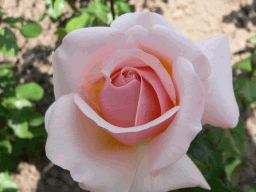
(E?)(L?) http://www.helpmefind.com/rose/roses.php?tab=2&grp=S
(E?)(L?) http://www.rosengarten-forst.de/sixcms/list.php?page=rg_rosen
Sweet Lady Tee-Hybride Harkness
(E?)(L?) http://www.rosen-goenewein.de/goenewein/frameset.html
(E?)(L1) http://www.top40db.net/Find/Songs.asp?By=Year&ID=1973
My Sweet Lady - by Cliff DeYoung
(E?)(L1) http://www.top40db.net/Find/Songs.asp?By=Year&ID=1977
My Sweet Lady - by John Denver
(E?)(L1) http://www.top40db.net/Find/Songs.asp?By=Year&ID=1999
Sweet Lady - by Tyrese
(E?)(L?) http://www.welt-der-rosen.de/duftrosen/duftrosen.htm
"Sweet Lady", auch: "HARzazz", "Sweet Revelation", "Sue Hipkin", "Sue Hipken", "Lady Jane Grey", "Chimène"
T
U
V
"§"
virgin (W3)
Engl. "virgin" = dt. "Jungfrau" geht zurück auf lat. "virgo" = dt. "Jungfrau".
Erstellt: 2010-10
W
X
Y
Z
Bücher zur Kategorie:
Etymologie, Etimología, Étymologie, Etimologia, Etymology, (griech.) etymología, (lat.) etymologia, (esper.) etimologio
UK Vereinigtes Königreich Großbritannien und Nordirland, Reino Unido de Gran Bretaña e Irlanda del Norte, Royaume-Uni de Grande-Bretagne et d'Irlande du Nord, Regno Unito di Gran Bretagna e Irlanda del Nord, United Kingdom of Great Britain and Northern Ireland, (esper.) Britujo
Frau, Señora, Femme, Donna, Woman, (esper.) feminoj
A
B
C
"§"
Corbett, Greville G. (Hrsg.)
The Expression of Gender
(E?)(L?) http://www.degruyter.com/view/product/203689
Reihe: The Expression of Cognitive Categories [ECC] 6
DE GRUYTER MOUTON
Gender is a fascinating category, which has grown steadily in importance across the humanities and social sciences. The book centres on the core of the category within language. Each of the seven contributions provides an independent account of a key part of the topic, ranging from gender and sex, gender and culture, to typology, dialect variation and psycholinguistics. The authors pay attention to a broad range of languages, including English, Chukchi, Konso and Mohawk.
(E?)(L?) http://www.degruyter.com/view/supplement/9783110307337_Contents.pdf
Contents
- Greville G. Corbett: Introduction - 1
- Sally McConnell-Ginet: Gender and its relation to sex: The myth of ¡¥natural¡¦ gender - 3
- Michael Dunn: Gender determined dialect variation - 39
- Peter Hegarty: Ladies and gentlemen: Word order and gender in English - 69
- Greville G. Corbett: Gender typology - 87
- Marianne Mithun: Gender and culture - 131
- Niels O. Schiller: Psycholinguistic approaches to the investigation of grammatical gender - 161
- Mulugeta T. Tsegaye, Maarten Mous and Niels O. Schiller: Plural as a value of Cushitic gender: Evidence from gender congruency effect experiments in Konso (Cushitic) - 191
- Author index - 215
- Language index - 219
- Subject index - 221
Erstellt: 2015-02
D
E
F
G
H
I
J
K
L
M
N
O
P
Q
R
S
T
U
V
W
X
Y
Z